Puzzle
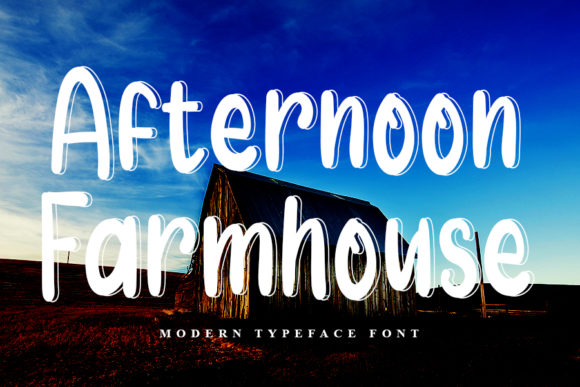
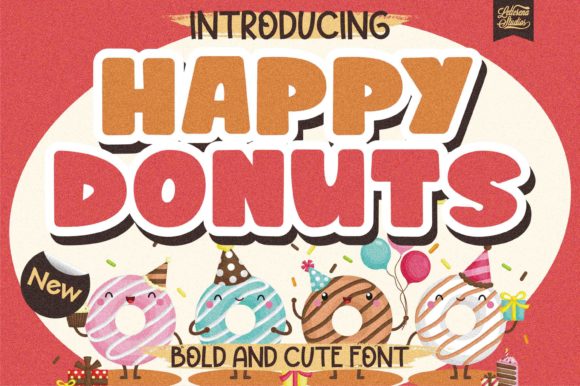
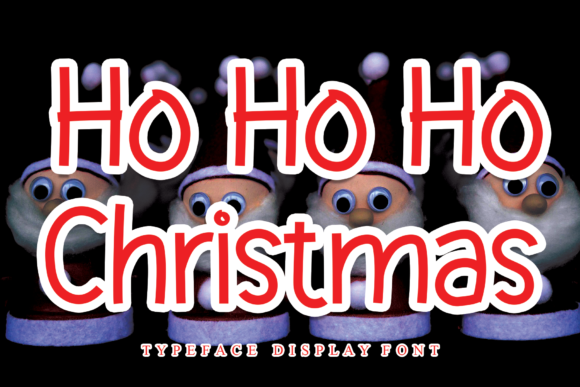
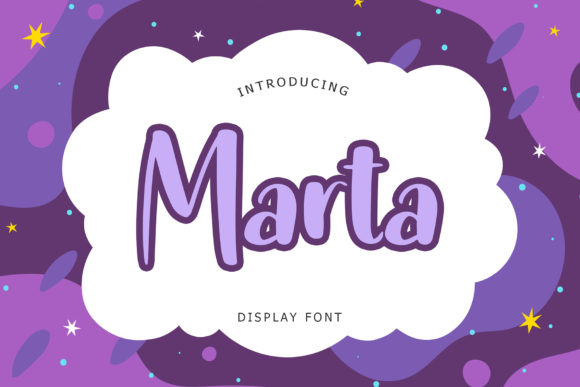
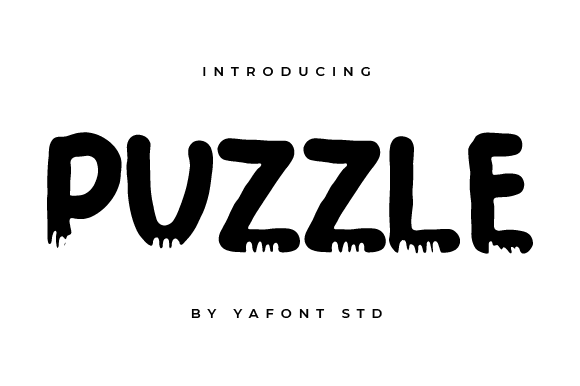
Puzzle is a display font that brings a sense of playfulness and creativity to any text it touches. With its quirky and unique design, it stands out in a world where most fonts are either too formal or too generic. Whether you're designing a logo, creating marketing materials, or looking for a fun way to present information, Puzzle offers a fresh and eye-catching alternative.
This font isn't just about aesthetics—it's about making a statement. Its irregular shapes and dynamic lines give it an almost hand-drawn feel, which can be incredibly useful in various creative contexts. If you're looking for something that breaks the mold of traditional typography, Puzzle might be exactly what you need.
When to Use Puzzle
Puzzle shines in situations where you want to grab attention without being too serious. Think about event invitations, social media posts, or even packaging designs for products that aim to be fun and engaging. It’s especially effective when used sparingly, as its bold character can quickly overwhelm if overused.
For example, a local craft fair might use Puzzle on their promotional posters to create a more whimsical and inviting atmosphere. Similarly, a tech startup with a playful brand identity could incorporate Puzzle into their website headers or app interfaces to reflect their innovative and unconventional approach.
Another great use case is in children’s educational materials. The font’s friendly and approachable look makes it ideal for books, games, or learning apps aimed at younger audiences. It helps to create a sense of curiosity and engagement, which is crucial for effective learning.
Who Benefits from Using Puzzle
Creative professionals such as graphic designers, web developers, and content creators will find Puzzle particularly useful. It allows them to add personality to their projects without sacrificing readability. For instance, a designer working on a branding project for a boutique store might choose Puzzle to highlight key phrases or slogans, giving the brand a distinct and memorable visual identity.
Marketers and advertisers also stand to benefit from using Puzzle. In a crowded marketplace, standing out is essential. By incorporating this font into headlines, taglines, or call-to-action buttons, they can capture the viewer’s attention more effectively. A travel blog promoting adventure destinations, for example, might use Puzzle in its featured posts to evoke a sense of excitement and exploration.
Even educators and trainers can leverage Puzzle in their work. When creating presentations or teaching materials, using a font like Puzzle can make complex topics feel more approachable and less intimidating. It adds a touch of fun that can help keep students engaged and motivated.
Considerations Before Using Puzzle
While Puzzle is undoubtedly versatile, there are a few things to consider before using it in your projects. First, it’s important to remember that it’s a display font, not a body font. This means it’s best suited for short bursts of text rather than long paragraphs. Using it for extended passages can lead to readability issues and may not convey the intended message clearly.
Additionally, the font’s quirky nature may not be appropriate for all contexts. If you’re working on a professional document, such as a business report or legal contract, Puzzle would likely be too informal. However, in more casual or creative environments, it can be a powerful tool for expressing personality and style.
Another consideration is compatibility. While Puzzle is widely supported across different platforms and devices, it’s always a good idea to check how it renders on various screens and browsers. Some older systems may not display it correctly, so testing is essential before finalizing any design.
Practical Examples of Puzzle in Action
Imagine you’re running a small coffee shop and want to redesign your menu. Instead of using a standard sans-serif font, you opt for Puzzle to highlight your specialty drinks. The result is a menu that feels more personal and inviting, encouraging customers to explore the options with curiosity and enthusiasm.
Or picture a wedding planner who wants to create a unique save-the-date card. By using Puzzle for the main headline, they can instantly set a fun and playful tone that reflects the couple’s personalities. It adds a touch of individuality that makes the invitation stand out among the sea of traditional designs.
In the digital space, a YouTube content creator might use Puzzle in their video thumbnails or channel art to make their brand more recognizable. The font’s distinctive look helps viewers identify their videos at a glance, increasing visibility and engagement.
Strengths and Limitations of Puzzle
The primary strength of Puzzle lies in its ability to communicate emotion and personality through typography. It’s a great choice when you want to infuse your design with a sense of fun, creativity, or uniqueness. Its versatility allows it to fit into a wide range of industries and applications, from fashion to food, entertainment to education.
However, like any display font, Puzzle has its limitations. It’s not ideal for large blocks of text due to its stylized appearance, which can be difficult to read in extended formats. Additionally, its eccentricity may not align with every brand’s image or message. It’s important to assess whether the font’s character matches the tone and goals of your project.
Despite these limitations, Puzzle remains a valuable asset in the right context. Its ability to spark interest and create a memorable impression makes it a go-to choice for those looking to break away from conventional design norms.
If you're ready to experiment with a font that adds a dash of personality to your projects, Puzzle is worth exploring. Just remember to use it thoughtfully and strategically to ensure it enhances rather than distracts from your message.