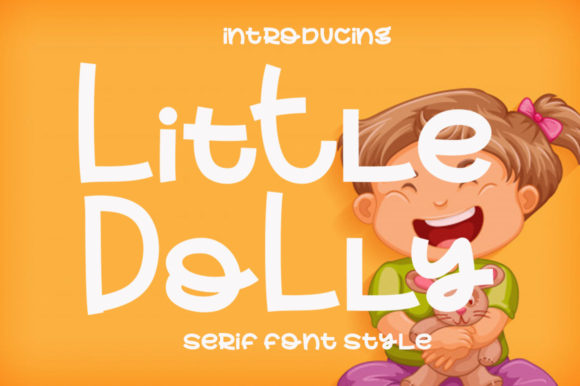
Little Dolly: A Playful Font for Creative Expression and Educational Engagement
Fonts are more than just visual elements; they carry meaning, emotion, and intent. Little Dolly, a cute and colorful display font, stands out in the world of typography with its playful and authentic design. This font is not only visually appealing but also functionally versatile, making it an excellent choice for a wide range of creative and educational applications. Whether you're designing materials for children, creating school projects, or adding a touch of whimsy to your digital content, Little Dolly offers a unique way to communicate with your audience.
The Design Philosophy Behind Little Dolly
Little Dolly is crafted with a focus on simplicity and charm. Its rounded edges, soft curves, and vibrant color options evoke a sense of innocence and joy, which makes it particularly well-suited for content aimed at younger audiences. However, its appeal is not limited to children's media alone. The font’s clean lines and balanced proportions ensure that it remains readable even when used in larger sizes or across different mediums.
One of the most notable aspects of Little Dolly is its ability to convey authenticity. Unlike many modern fonts that lean heavily into trends or minimalism, Little Dolly maintains a warm and approachable feel. This characteristic makes it ideal for brands that want to establish a friendly and relatable image without sacrificing professionalism.
Practical Applications of Little Dolly
The versatility of Little Dolly allows it to be used in various contexts. Here are some common use cases:
- Children's Activities: From coloring books to interactive learning games, Little Dolly adds a fun and engaging element that can help keep young learners interested.
- School Projects: Teachers and students alike can benefit from using this font in presentations, posters, and reports to make their work stand out in a positive way.
- Digital Content Creation: Bloggers, YouTubers, and social media influencers can incorporate Little Dolly into their branding to create a distinctive and memorable visual identity.
- Business Materials: Small businesses looking to build a community-focused brand can use this font in marketing materials, packaging, and signage to foster a sense of connection with customers.
Each of these applications highlights how Little Dolly can be adapted to fit specific needs while maintaining its core characteristics of playfulness and authenticity.
Why Choose Little Dolly Over Other Fonts?
While there are many display fonts available, Little Dolly distinguishes itself through several key features:
- Versatility: It works well in both digital and print formats, making it suitable for a wide range of projects.
- Readability: Despite its playful style, the font remains legible even in smaller sizes, ensuring that it doesn’t compromise clarity for aesthetics.
- Emotional Appeal: The font has a built-in emotional resonance that can enhance the user experience, especially in content targeting children or families.
- Customization Options: With multiple weights and color variations, users can tailor the font to match their specific design requirements.
These advantages make Little Dolly a compelling choice for anyone looking to add a touch of personality to their work without compromising functionality.
Considerations When Using Little Dolly
Although Little Dolly is a highly adaptable font, there are certain considerations to keep in mind when incorporating it into your designs:
1. Context Matters: While the font is perfect for playful and educational content, it may not be appropriate for all professional settings. It’s important to assess whether the tone and style align with the message you want to convey.
2. Pairing with Other Fonts: To maintain visual balance, it’s often best to pair Little Dolly with a complementary sans-serif or serif font for body text. This ensures that the overall design remains cohesive and easy to read.
3. Licensing and Usage Rights: Before using the font in commercial projects, always check the licensing terms to ensure that you have the right to use it in the intended context. Some fonts require attribution or have restrictions on usage.
4. Technical Compatibility: Make sure that the font is compatible with the software or platform you're using. Some design tools may require additional installation steps to access the full range of features.
Real-World Examples of Little Dolly in Action
To better understand how Little Dolly can be applied in real-world scenarios, consider the following examples:
Example 1: Children's Book Illustration
A children's book publisher uses Little Dolly for the title page and chapter headings. The font's playful nature helps draw attention to the story while reinforcing the theme of adventure and imagination.
Example 2: School Presentation Slides
A teacher creates a presentation on animal habitats using Little Dolly for the main headings. The font adds a friendly and engaging touch that keeps students interested throughout the lesson.
Example 3: Social Media Campaign
A lifestyle brand launches a new product line with a campaign that includes Little Dolly in the promotional graphics. The font helps create a sense of community and approachability that resonates with the target audience.
Example 4: Event Invitations
An educational institution sends out invitations for a family science fair using Little Dolly for the event name. The font's cheerful appearance encourages attendance and creates a positive first impression.
Trends and Future Potential of Little Dolly
As design trends continue to evolve, the demand for fonts that combine functionality with personality is on the rise. Little Dolly is well-positioned to meet this growing need, especially in the fields of education, entertainment, and digital communication.
With the increasing popularity of interactive learning tools and multimedia content, the role of typography in shaping user engagement is becoming more significant. Fonts like Little Dolly offer a unique opportunity to enhance the visual storytelling aspect of these platforms, making them more engaging and effective.
Looking ahead, it's likely that Little Dolly will find its place in emerging technologies such as augmented reality (AR) and virtual reality (VR), where immersive experiences rely heavily on visual elements to create a sense of presence and interaction.
In conclusion, Little Dolly is more than just a font—it's a tool for creativity, engagement, and expression. Whether you're designing for children, educators, or professionals, this font provides a versatile and meaningful way to connect with your audience. By understanding its characteristics, applications, and considerations, you can make informed decisions about how to best utilize it in your projects.