Bark for Life: A Playful yet Powerful Font for Modern Design Workflows
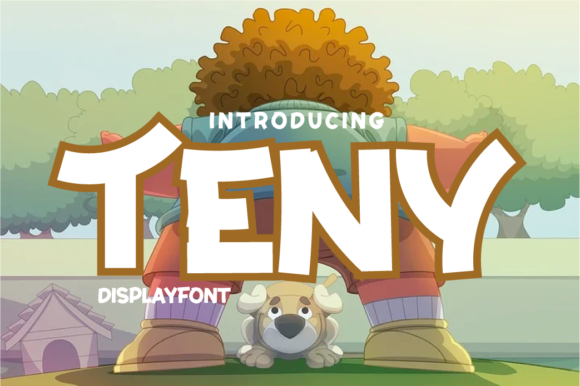
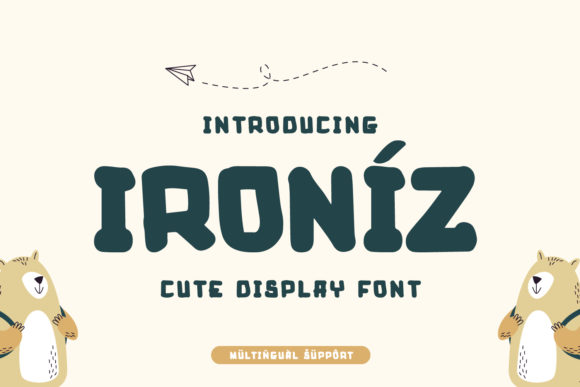
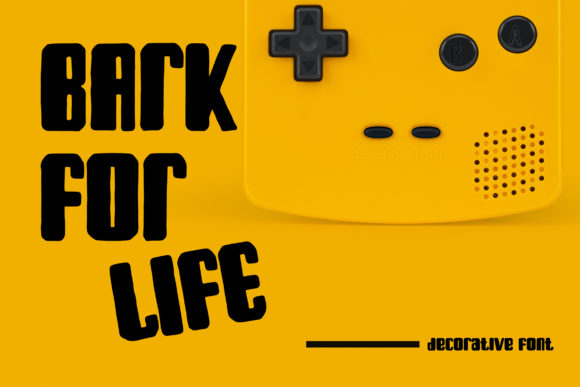
Bark for Life is a display font that bridges the gap between boldness and whimsy, making it an excellent choice for designers, marketers, and content creators who want to add visual flair without sacrificing readability. With its unique wavy lines and strong, stylized characters, this font brings energy and personality to any project. Designed with PUA encoding, Bark for Life offers easy access to glyphs and swashes, enhancing its usability in both digital and print formats.
Understanding the Role of Bark for Life in Design Processes
Incorporating Bark for Life into your design workflow can elevate the aesthetic appeal of your projects. Whether you're working on branding materials, social media posts, or promotional assets, this font adds a distinctive touch that stands out from more conventional typefaces. Its playful nature makes it ideal for creative industries such as entertainment, education, and lifestyle content where visual engagement is key.
The PUA (Private Use Area) encoding allows users to access special characters and alternate forms without needing additional software or plugins. This feature streamlines the design process, enabling quick adjustments and customizations directly within design tools like Adobe Illustrator or Photoshop.
Using Bark for Life at Different Stages of a Project
Bark for Life can be integrated at various stages of a project lifecycle, depending on the goal and context:
- Pre-Design Phase: When brainstorming ideas or planning content themes, using Bark for Life in mood boards or concept sketches helps establish a visual tone early on.
- During Design Execution: Applying this font to headlines, logos, or call-to-action buttons ensures consistency and enhances visual hierarchy. It's particularly effective when paired with minimalist layouts or vibrant color schemes.
- Post-Production Review: After finalizing a design, reviewing how Bark for Life interacts with other elements—such as images, icons, or background textures—can help ensure the overall composition remains balanced and cohesive.
Integration with Other Tools and Resources
Bark for Life works seamlessly with a wide range of design platforms and tools. For example, when using Canva or Figma, importing this font ensures compatibility across different file types and export formats. Additionally, it integrates well with web development frameworks like CSS and JavaScript, allowing developers to apply it dynamically on websites or digital interfaces.
For those working in print, ensuring that Bark for Life is embedded correctly in PDFs or vector files is essential to maintain quality during printing. Compatibility checks with printers or publishing platforms should be part of the preparation phase to avoid last-minute issues.
Practical Tips for Implementation
To make the most of Bark for Life, consider the following tips:
- Test Readability: While the font is visually striking, it's important to test its legibility in different sizes and contexts. Avoid using it for long blocks of text where clarity might suffer.
- Pair Wisely: Combine Bark for Life with complementary fonts that offer contrast in weight or style. For instance, pairing it with a sans-serif font for body text can create a harmonious balance.
- Use Swashes Sparingly: The PUA-encoded glyphs and swashes are powerful design elements but should be used judiciously to maintain focus on the message rather than the typography itself.
- Optimize for Accessibility: Ensure that the font does not hinder accessibility by providing alternative text options or fallback fonts for users who may have difficulty reading stylized typefaces.
Workflow Examples and Real-World Applications
Consider a scenario where a marketing team is designing a campaign for a new product launch. During the initial briefing, they decide on a playful and energetic brand voice. They choose Bark for Life as the primary font for all headline copy, using its wavy lines to convey movement and excitement. In the design phase, they pair it with clean sans-serif fonts for body text and ensure that the color palette complements the font’s bold character. Finally, before launching the campaign, they review the designs on multiple devices to confirm that the font renders consistently across platforms.
Another use case involves educators creating interactive learning materials. By using Bark for Life in titles or section headers, they can make educational content more engaging for students. The font’s playful nature helps capture attention while maintaining a professional tone through strategic placement and pairing.
Long-Term Use and Efficiency
When considering long-term use of Bark for Life, it's important to think about organization and efficiency. Keeping a centralized font library or asset folder helps streamline access, especially when working on multiple projects simultaneously. Naming conventions and version control can also prevent confusion, particularly when collaborating with others.
Additionally, maintaining a consistent style guide that outlines how and when to use Bark for Life ensures that the font remains a valuable asset over time. This is especially useful for brands or teams that rely on consistent visual identity across all communications.
Regularly updating your knowledge of font trends and best practices can also help you leverage Bark for Life effectively. As design tools evolve, so do the ways we interact with typography, making ongoing learning a crucial part of any designer’s workflow.
Conclusion
Bark for Life is more than just a font—it's a versatile tool that can enhance the visual impact of your work while fitting naturally into existing workflows. Whether you're a professional designer or someone exploring creative expression, integrating this font into your projects can bring a unique blend of strength and playfulness to your designs. By understanding how to use it effectively, you can ensure that it supports your goals without overshadowing the core message or purpose of your work.